

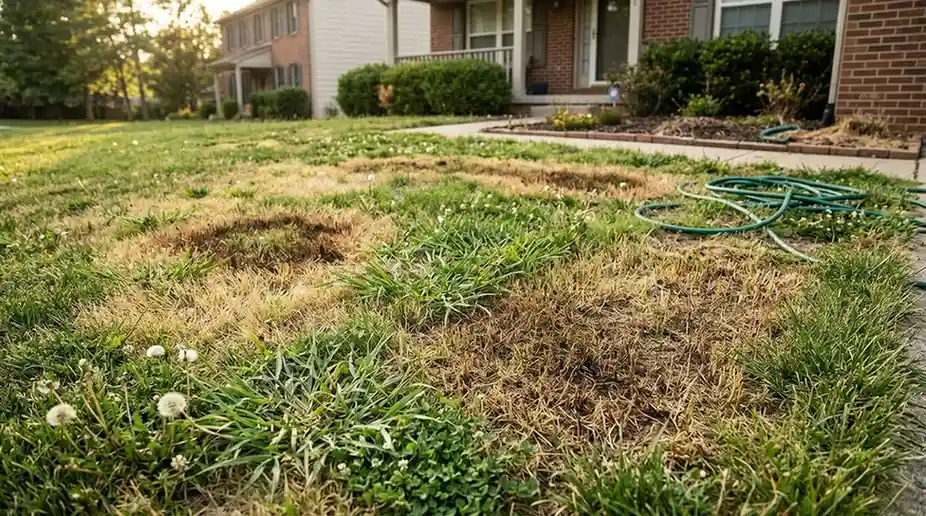
We’ve all been there. You spend your Saturday morning hauling bags of seed, wrestling with the mower, and adjusting the sprinkler, only to look out the window two weeks later and see a patchwork of brown spots and stubborn dandelions. Discover lawn care mistakes to avoid, common maintenance errors, and lawn care tips for beginners to prevent damage and grow healthier grass.
It’s frustrating—exhausting, even—to feel like you’re doing everything right while your lawn seems determined to fail.
At López Landscaping and Design LLC, we’ve seen homeowners pour their hearts (and wallets) into their yards, only to be met with lackluster results.
More often than not, the culprit isn’t a lack of effort; it’s a handful of bad lawn care habits that are accidentally working against nature.
Most lawn care mistakes to avoid are actually rooted in common myths or “shortcuts” that seem logical but end up suffocating your turf.
If you’re ready to stop the cycle of “fix and fail,” let’s dive into the common lawn maintenance mistakes that might be silently killing your grass and how you can turn things around.
The “Short Cut” Fallacy: Mowing for Convenience
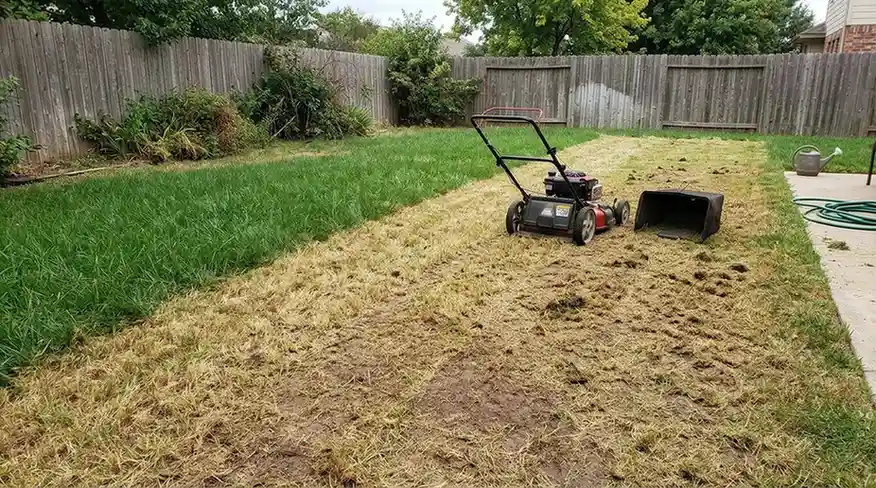
One of the most frequent lawn care errors homeowners make is setting the mower deck too low. It’s tempting to think that if you cut the grass extra short, you can wait longer before the next mowing. In reality, “scalping” your lawn is one of the fastest ways to destroy it.
- The Problem: Cutting grass too short shocks the plant. Grass blades are the “solar panels” of your lawn; they collect sunlight to produce food. When you lop them off too close to the soil, the plant loses its ability to photosynthesize effectively.
- The Result: Your grass weakens, the root system shrinks, and the soil is exposed to direct sunlight. This leads to rapid evaporation (thirsty grass) and creates the perfect opening for weed overgrowth, as weed seeds now have the light they need to germinate.
- The Fix: Stick to the “One-Third Rule.” Never remove more than one-third of the grass blade in a single session. For most lawns in our region, keeping the height between 3 and 4 inches provides enough shade to keep the soil cool and the roots deep.
The Danger of Dull Mower Blades
Think of your mower blade like a kitchen knife. If you try to slice a tomato with a dull knife, you crush it rather than cutting it. The same thing happens to your grass.
- The Impact: Dull blades tear the grass fibers instead of slicing them. If you look closely at your lawn after a mow and see white, ragged, or “shredded” tips, your blades are dull. These open, jagged wounds are an invitation for lawn disease causes like leaf spot or dollar spot.
- The Fix: Sharpen your blades at least twice a season. A clean cut allows the grass to heal quickly, keeping the vibrant green color intact and the plant’s “immune system” strong.
Watering Woes: Timing is Everything
When it comes to lawn care problems and solutions, watering is usually the biggest variable. Both overwatering and underwatering can lead to disaster, but the timing of your watering is what often invites trouble.
- The Nighttime Mistake: Many homeowners set their timers for the evening so the water doesn’t evaporate. However, sitting water on grass blades overnight is like leaving a damp towel in a dark closet—it’s a breeding ground for fungus and rot.
- The Midday Mistake: Watering at 2:00 PM is largely a waste of money. The sun evaporates the water before it can ever reach the roots.
- The Correct Watering Schedule: The “Goldilocks” zone for watering is between 4:00 AM and 9:00 AM. This allows the roots to soak up the moisture before the heat of the day, while the rising sun dries the blades to prevent disease. Aim for deep, infrequent soakings (about 1 inch of water per week) rather than short, daily sprinkles.
Over-Fertilizing and “Chemical Overload.”
We often equate “more nutrients” with “more growth,” but wrong fertilizer use can actually burn your lawn to a crisp.
- The Problem: Over-fertilizing creates a buildup of salts in the soil. This can cause “fertilizer burn,” characterized by yellow or brown streaks that look like the grass has been scorched. Furthermore, wrong fertilizer timing (like applying heavy nitrogen in the heat of a drought) can force the grass to grow when it’s trying to go dormant to survive.
- The Fix: Always start with a soil test to understand your poor soil nutrients. This takes the guesswork out of the equation. Use a slow-release fertilizer and follow the seasonal maintenance schedule recommended for your specific grass type.
Ignoring the Soil (The “Skin Deep” Approach)
A lawn is only as healthy as the dirt it grows in. Many people focus entirely on the green stuff they can see, while ignoring the poor soil health beneath.
- Compaction and No Aeration: Over time, foot traffic, lawnmowers, and even heavy rain pack the soil down tight. When soil is compacted, oxygen, water, and nutrients can’t reach the roots. Your grass is essentially trying to grow through concrete.
- Poor Drainage: If you have areas where water “ponds” after a rain, your grass is likely drowning. Roots need to breathe; standing water cuts off their oxygen supply.
- The Fix: Incorporate core aeration into your lawn care tips for beginners. Aeration pulls small “plugs” of soil out of the ground, allowing the earth to breathe and giving the roots room to expand.
Quick Guide: Lawn Care Do’s and Don’ts
| Don’t | Do | The Benefit |
| Mow with dull blades | Sharpen blades every 25 hours of use | Prevents jagged edges and disease. |
| Water every evening | Water deeply 2–3 times a week (AM) | Encourages deep roots and prevents fungus. |
| Scalp the lawn | Keep the grass at 3 to 4 inches | Shades out weeds and protects soil. |
| Guess on fertilizer | Get a soil test once a year | Saves money and prevents chemical burn. |
| Ignore the “thatch.” | Aerate and dethatch seasonally | Improves lawn damage prevention. |
The “Weed Panic” Mistake
When homeowners see a few weeds, the instinct is to spray everything with heavy herbicides. However, weed overgrowth is usually a symptom, not the cause.
- The Reality: Weeds are opportunists. They only move in when the grass is thin, stressed, or cut too short. If you focus only on killing weeds without fixing the underlying health of the grass, the weeds will just keep coming back.
- The Solution: Use pre-emergent herbicides in the spring to stop seeds from sprouting, but focus most of your energy on growing “thick” grass. A dense lawn is the best natural weed repellent there is.
Neglecting Seasonal Transitions
Your lawn’s needs in July are drastically different from its needs in October. One of the most common seasonal lawn care errors is treating the yard with a “one-size-fits-all” approach year-round.
- Spring: Focus on waking the lawn up, light fertilization, and pre-emergent weed control.
- Summer: Focus on survival. Keep the mower height high and ensure the improper watering schedule is corrected to fight the heat.
- Fall: This is the most important time for repair. Overseeding, aerating, and “winterizing” the lawn ensures it comes back stronger next year.
Why Professional Help Matters
We understand the pride that comes with a “DIY” lawn. There’s something deeply satisfying about looking out at a yard you’ve nurtured yourself.
But sometimes, despite your best efforts, the soil chemistry or the local pests are more than a standard homeowner’s kit can handle.
At López Landscaping and Design LLC, we don’t just “mow and go.” We look at the big picture—the drainage, the soil pH, the grass species, and the local climate.
Our goal is to move you away from a cycle of lawn care mistakes and toward a sustainable, proper lawn care routine.
Conclusion
Your lawn isn’t trying to be difficult—it’s just trying to communicate. Brown spots, weeds, and thinning patches are all signs that something in the environment is off-balance.
By shifting away from bad lawn care habits like mowing too short or watering at night, you give your grass the fighting chance it needs.
Stop fighting against nature and start working with it. If you’re feeling overwhelmed by lawn care do’s and don’ts, or if you want to give your yard a professional-grade head start this season, give us a call. Let’s turn those brown spots into the greenest grass on the block.
Ready for a lawn that stays healthy all year? Contact us now for a consultation!