
There’s a specific kind of pride that comes with a lush, emerald-green lawn. It’s the backdrop for summer BBQs, the soft landing for kids playing tag, and the first thing neighbors notice when they drive by.
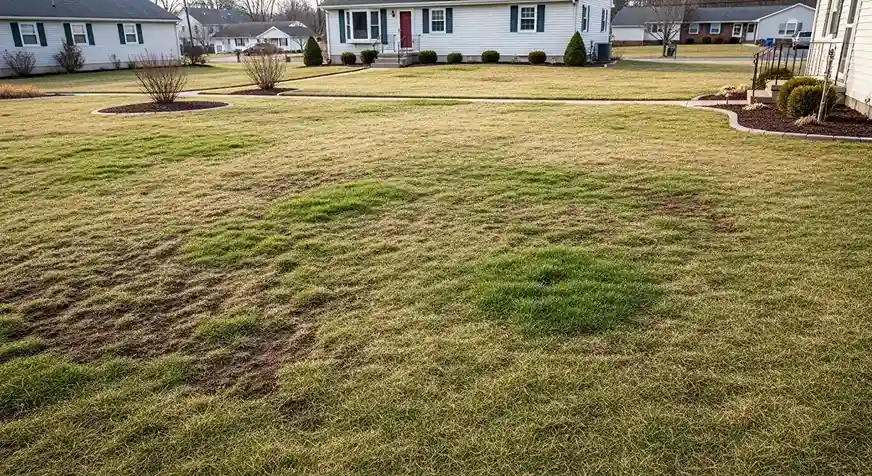
But when that vibrant carpet starts looking more like a moth-eaten rug, it’s frustrating. At López Landscaping and Design LLC, we see it all the time: homeowners who pour their heart (and wallet) into their yards, only to be met with stubborn bare spots and thinning blades.
If you’re staring at a “patchy lawn” and wondering where you went wrong, take a deep breath. You don’t need a miracle; you just need a better strategy.
This guide will walk you through how to fix patchy grass, improve your soil health, and ensure those bare spots never come back.
Phase 1: Playing Detective (Why is Your Lawn Patchy?)
Before you run to the hardware store for a bag of “Quick Fix” seed, you have to understand the why.
If you don’t fix the underlying issue, your new grass will die just as fast as the old stuff did. Here are the most common culprits behind grass-thinning causes and uneven growth:
1. Soil Compaction
Think of your soil like a sponge. When it’s healthy, it’s full of tiny holes that hold air and water. But over time, foot traffic, lawnmowers, and even heavy rain can “squish” that sponge.
This is soil compaction. When the ground is as hard as a rock, grass roots can’t penetrate deep enough to find nutrients, leading to thinning lawns.
2. The “Hidden” Residents (Pests and Disease)
If you notice circular brown patches that seem to appear overnight, you might have a grub infestation or a fungal disease. Grubs eat the roots right out from under your grass, while fungus thrives in humid, stagnant air.
3. Nutrient Deficiencies
Grass is a living thing that needs “food.” Most soil in our area naturally lacks the perfect balance of nitrogen, phosphorus, and potassium. Without proper fertilization, your lawn simply runs out of gas.
4. The Watering Seesaw
Most people either drown their lawn or give it a light “spritz” every day. Neither works. Underwatering leads to dormant, brittle grass, while overwatering shallowly rots the roots and invites weeds.
Phase 2: The Step-by-Step Lawn Repair Guide
If you want to fix a patchy lawn fast, you have to be methodical. Here is the López Landscaping signature lawn reseeding process:
Step 1: Scalp and Clean
Don’t literally scalp the whole yard, but for the patchy areas, you want to clear out any dead “thatch” (the layer of debris between the grass and soil).
Use a sturdy garden rake to pull up dead grass and weeds. You want to see bare dirt.
Step 2: Soil Preparation & Aeration
This is the secret sauce. If the ground is hard, use a core aerator or even a manual hand tool to poke holes.
Lawn aeration benefits include increased oxygen flow and better water absorption. Once the soil is “open,” we recommend topdressing with a high-quality organic compost. This introduces “good” bacteria and organic matter that store-bought dirt just doesn’t have.
Step 3: The Right Seed for the Right Spot
Don’t just buy the cheapest bag. Is the patch in the shade of a big oak tree? Or is it baking in the 2:00 PM sun? Choose a seed blend that matches your environment.
Use a lawn seed spreader to ensure you aren’t dumping a mountain of seed in one spot and nothing in another.
Step 4: Feed the New Arrivals
Apply a “Starter” fertilizer for patchy lawns. Unlike regular fertilizer, starter blends are higher in phosphorus ($P$), which specifically targets root growth rather than just making the blades turn green quickly.
Phase 3: Pro-Level Lawn Recovery Tips
Once the seed is down, the clock starts ticking. The first 14 to 21 days are the most critical for lawn recovery.
- Watering Properly: This is where most people fail. You want the soil to stay damp—not muddy—at all times. Think of it like a damp cloth. This usually means a light watering twice a day (morning and late afternoon). Once the grass is an inch tall, you can transition to deeper, less frequent watering techniques.
- Keep Your Distance: It’s tempting to go out and check on the progress, but keep kids and pets off the fresh seed. Even a single footprint can crush a germinating seed.
- The First Cut: Do not mow the new patches until they are at least 3.5 inches tall. When you do mow, make sure your blades are sharp. Dull blades will pull the young, fragile roots right out of the ground.
Long-Term Patchy Lawn Solutions
To keep your yard looking like a professional landscape, you have to move from “reactive” care to “proactive” care.
| Strategy | Why It Matters |
| Soil Testing | Every 2-3 years, get a lab to check your pH levels. If your soil is too acidic, no amount of water will fix the patches. |
| Regular Mowing | Never cut more than 1/3 of the grass blade at a time. This reduces stress on the plant. |
| Seasonal Over-seeding | Every fall, spread a light layer of seed over your entire lawn (not just the patches) to keep the “density” high. |
| Organic Matter | Using compost instead of just chemicals builds a “living” soil that fights off pests naturally. |
Why Soil Health is the Foundation
At López Landscaping and Design LLC, we often tell our clients: “We don’t grow grass; we grow soil.” If your lawn soil nutrients are balanced and the texture is airy, the grass will almost grow itself.
Think of your yard as an ecosystem. When you use heavy chemicals, you sometimes kill the beneficial worms and microbes that do the work for you.
By focusing on soil health maintenance, you’re creating a yard that is resilient against heat waves and cold snaps.
When to Call the Professionals
We get it—life is busy. Between work, family, and social commitments, spending three weekends in a row hauling bags of soil and tinkering with a lawn seed spreader isn’t everyone’s idea of a good time.
If you’ve tried the DIY route and those bare spots in the grass keep coming back, it might be time for a professional intervention.
We have the heavy-duty equipment for deep aeration, the knowledge to diagnose complex grass growth issues, and the “green thumb” to ensure your investment actually grows.
López Landscaping and Design LLC specializes in:
- Full-scale lawn renovations.
- Customized irrigation and proper irrigation setups.
- Organic and traditional fertilization programs.
- Expert topdressing and soil conditioning.
Your Yard is an investment.
A patchy lawn isn’t just a cosmetic problem; it can actually decrease your home’s value and lead to soil erosion or drainage issues during heavy storms. Fixing it doesn’t have to be an overwhelming mystery.
By focusing on soil preparation, choosing the right seed, and staying consistent with watering the lawn properly, you can have the best-looking yard on the block by next season.
Ready to stop guessing and start growing?
Contact us now. Let’s take a look at your yard, test your soil, and create a custom plan to bring your grass back to life.